Book Your Free Exploratory Call
Let’s Talk About Your Career Goals

Career & College Planning • 20+ Years of Assessment Science
Choose a Career You’re
Actually Wired to Do.
Whether you’re a young professional stuck in the wrong job, or a parent watching your teenager face a six-figure college decision on little more than a guess, PeopleRight uses whole-person assessment data to point toward work you’ll be good at, not just interested in.

The Problem
“They’ll Figure It Out in College” Is an Expensive Bet
Most people choose a major, a college, or a career the same way: follow your interests, pick a school, and hope it works out. But interests change, and they rarely predict whether someone will actually be good at the work. Meanwhile the cost of guessing keeps climbing. Around 4 in 10 students who start a bachelor’s degree still don’t finish within six years, and those who borrow now leave with roughly 35,000 dollars of debt, often before knowing whether the path even fits.
At PeopleRight, we bring engineering discipline to that decision. Instead of a personality quiz and a hunch, we measure how a person naturally thinks, behaves, and is wired, then match that against paths where they are set up to succeed. Fewer wasted years. Fewer wasted dollars. More confidence that the next step is the right one.
Ready to replace guesswork with real data?
Our 3-Step Process
How PeopleRight Finds the Right Fit
No gut feel. No four-quadrant quiz. Every step is grounded in validated assessment data about the whole person.
Measure the Whole Person
We use two validated assessment tools to measure cognitive ability, natural behaviours, and interests, so decisions rest on evidence, not a single questionnaire or a first impression.
Match to Real Options
We benchmark those results against careers and study paths the person is genuinely wired to do well in, weighting skills and aptitudes first and interests where they belong.
Map the Next Step
You leave with a clear, practical plan: the major, training, or career move worth pursuing, so time and money go toward the right target instead of a costly detour.
Skills First, Interests Second
Interests change often and rarely predict performance. We weight skills and aptitudes first, so decisions are built on what someone can genuinely do well, not just what sounds appealing today.
Who It’s For
Two People We Help Most
Young Professionals
You’re good at the job and still dread Monday. You landed a career that looked right on paper and it isn’t working out. Before you jump to the next thing on another hunch, get objective data on what you’re actually wired to do well, and love doing. Ideal if you’re considering a change and want the next move to stick.
High School Students (and their Parents)
Your teenager isn’t sure what they want to do, and “they’ll figure it out in college” is a costly plan. Give them a head start with real data on their strengths before the big, expensive decisions are made, so a major or a college is chosen on fit, not guesswork, protecting both their future and your tuition investment.

Mike McCormack
Founder, PeopleRight
Meet the Founder
Engineering Discipline, Applied to Your Future
Mike McCormack founded PeopleRight in 2002 and has since worked with more than 100 companies, including two Fortune 300 organisations, helping them understand what top performers look like and how to spot them. He holds an engineering degree and an MBA from Texas A&M University, and he doesn’t come at this from the ‘touchy-feely’ side of the equation.
The same assessment science he uses to help employers hire and develop top performers is what powers PeopleRight’s career and college planning. When people land in work they are naturally wired for, they perform better and feel less stress, because they aren’t forcing themselves to be someone they are not.
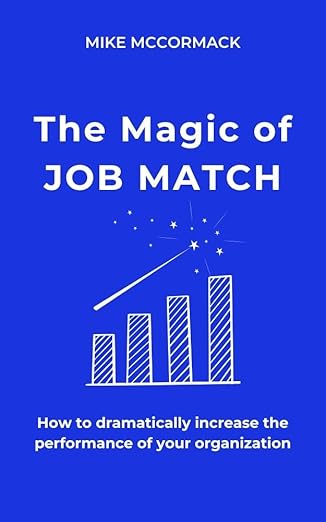
Mike is also the author of The Magic of Job Match, a primer on how job fit drives performance more than any other single factor, whether you are building a career or helping your child choose one.
From the Founder’s Desk
“The Magic of Job Match”
Why the work you are wired for beats the work you are simply interested in
Job match drives performance more than any other single factor, yet few people know what it means or how to use it when choosing a career or a college major. This book is a primer for understanding and applying job-match principles to your own decisions, or your child’s.
Readers get a working understanding of the basics of job match, examples of what to avoid, and real results from people who have put these principles to work. Best of all, it ends with a road map showing how to get started.
Get the Book on Amazon →Common Questions
Frequently Asked Questions
No. Generic personality quizzes are not designed or validated for career and college decisions. We use whole-person assessments that measure cognitive ability, behavioural traits, and interests, then match against paths where the person is set up to succeed, rather than handing back a personality label.
Not at all. That is exactly who this helps. We are not asking them to already know the answer. We measure how they are naturally wired and use that data to reveal directions worth exploring, well before major and college decisions are locked in.
Earlier is better and cheaper. The most valuable time to get clarity is before a major, a college, or a career is chosen, so the decision is made on evidence instead of being sorted out later at the cost of extra years and extra tuition.
Yes. The process works just as well for a young professional reconsidering their direction as it does for a high-school student. In both cases the goal is the same: match the person to work they are genuinely wired to do well.
Interests matter, but they should carry limited weight. They change over time and rarely predict whether someone will actually perform well. We consider interests as one input while weighting skills and aptitudes first, because those are what drive real performance.
It is a short, no-obligation conversation. We learn about the situation, whether it is a career change or a college decision, explain how the assessment process works, and help you decide whether PeopleRight is the right fit. You can book a time that suits you using the button on this page.
Take the Next Step
Make the Decision on Data, Not Luck
Stop betting your future, or your child’s, on a guess. Get objective assessment data behind your next big move. Your first exploratory call is completely free, and there is no obligation.
No obligation. 24-hour response guaranteed.